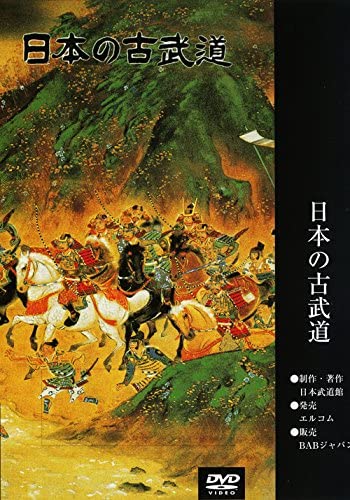
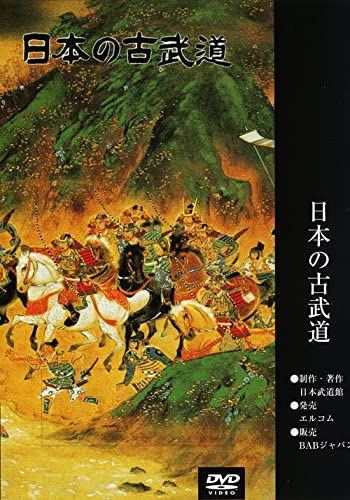
Araki Ryu DVDs
Araki-ryū (荒木流) s a traditional Japanese martial art system (koryū) with roots dating back to the late 16th century. Here's an overview of this historical martial tradition:
Origins and Founding
- Founded by Araki Mujinsai Minamoto no Hidetsuna in the late 1500s
- Originally established during Japan's Sengoku period (Age of Warring States)
- The founder is said to have studied various martial arts before developing his own comprehensive system
System and Curriculum
- Comprehensive martial system that originally included a wide range of weapons and unarmed techniques
- Notable focus on battlefield weapons including the spear (yari), halberd (naginata), and staff (bō)
- Contains distinctive iaijutsu (sword-drawing) techniques
- Features unique kogusoku (grappling with light armor) methods
- Incorporates both armed and unarmed combat approaches
Historical Development
- Split into numerous branches (ha) throughout its history
- Different lineages preserved different aspects of the curriculum
- Some branches emphasized weapons training while others focused more on grappling
- Several notable branches include Araki-ryū Gunyo Kogusoku and Araki-ryū Torite Kogusoku
Modern Preservation
- One of the less commonly practiced koryū in modern times
- Preserved by a small number of practitioners in Japan
- Considered an important part of Japan's martial heritage
- Some branches have been documented through densho (transmission scrolls)
Characteristics
- Known for practical, direct techniques developed for battlefield application
- Emphasizes efficient movement and decisive action
- Contains distinctive strategic principles for combat
- Features a comprehensive approach that integrates various weapons and empty-hand methods
Araki-ryū represents an important part of Japan's martial heritage, offering insights into combat methods from Japan's warring periods. While less widely practiced than some other traditional martial arts, it continues to be preserved by dedicated practitioners committed to maintaining this historical tradition.